


My Cafe — Restaurant Game
4.569.93K Reviews
App Specs
- Version
- 2026.9.0.2
- Updated On
- License
- Free
- Downloads
- 100,000,000+
- Developer
- Melsoft Games Ltd
- Categories
- Casual
- Platform
- Android
Screenshots

 Analysis by AppCompare
I enjoy casual games most when they give me something clear to do without demanding a long, uninterrupted stretch of attention. My Cafe — Restaurant Game builds its appeal around that kind of small-scale routine: tend to a café, make progress, and come back when I feel like taking the next step. It suits a relaxed break better than a high-pressure competition, though the steady stream of goals can make a quick visit turn into a longer session.
What a visit to the café feels like
My first useful tip is to treat each session as a short check-in rather than a promise to clear every task. I can look at what the café needs, choose a manageable goal, and stop when I’ve made progress. That approach helps the game feel like a pleasant routine instead of a checklist that follows me around.
For example, it works well during a quiet part of the day when I have a few minutes to spare: I can check in, focus on a recipe or an improvement, and leave the rest for later. If I’m looking for a game that delivers a complete, self-contained challenge in one sitting, this is a different sort of experience. Its pull comes from returning to a business that develops over time, not from finishing a single tightly bounded round.
Choosing the right kind of casual game
Compared with quick puzzle games, the café gives me more to think about beyond solving one board and moving on. Compared with a deep management simulator, it keeps the setting friendly and approachable, with customer stories and decoration alongside the business decisions. That middle ground is its strength, but it also means players who want detailed economic modeling or constant action may find the management lighter than they hoped.
I’d recommend it to someone who likes gradual progression, decorating a space, and having several small objectives to choose from. I’d be more cautious about recommending it to anyone who dislikes repeated service tasks, prefers games that can be fully enjoyed offline in a single sitting, or wants every upgrade to be earned at a consistent pace without purchase prompts. The free entry point makes it easy to try, but the optional spending model is worth keeping in mind before settling into long-term play.
One practical way to keep the experience comfortable is to decide your own stopping point before opening the game. Pick one thing you want to accomplish, then close it when that goal is done instead of chasing every available marker. It’s a small habit, but it helps preserve the relaxed feel and makes the next visit seem like a choice rather than an obligation.
Setting the Table: First Impressions
So, I decided to give My Cafe — Restaurant Game a whirl, and honestly, I was hooked from the get-go. The graphics are vibrant and inviting, making it easy to get lost in the charm of the little cafe you’re tasked with managing. The interface is user-friendly, which is a big plus for folks who might not be the most tech-savvy.
Worth Reading Before You Choose

EA SPORTS FC Mobile 26 Is a Bigger Football Game, but It Takes Time

Flipboard Shows What News Apps Must Do Beyond the Feed

Switching to Android Auto Means Rethinking Your Driving Routine

Google Calendar Makes a Crowded Week Easier to Manage

Ludo King Makes the Most of the Minutes Between Plans

Baby Panda World Brings Quick Play to Modern Phones, but Its Game Library Feels Busy
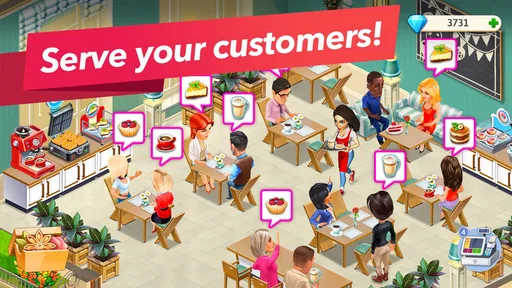
The game opens with a short tutorial that’s both quick and informative. You’ll meet Mary, your enthusiastic guide, who helps you get started by showing you the ropes of running your cafe. From brewing coffees to serving pastries, this introduction sets the stage perfectly for what's to come.
The Menu: Gameplay and Features
What’s on offer is a delightful mix of simulation and storytelling. You’re not just serving coffee and croissants; you’re engaging with customers, each with their own story and preferences. The game cleverly integrates these storytelling elements, making each interaction feel personal.
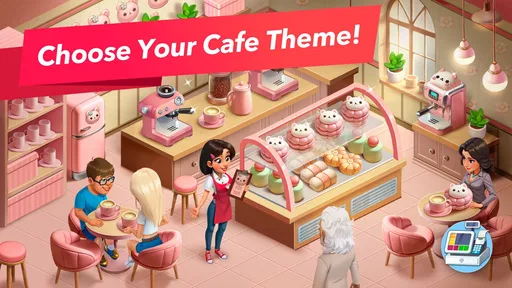
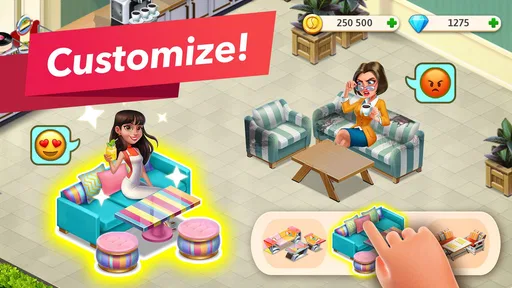
As you progress, you'll unlock new recipes and furniture, allowing you to customize your cafe to your liking. The customization options are pretty vast, enabling you to design a space that reflects your unique style. From chic modern decor to cozy vintage vibes, the possibilities are numerous.
The game also incorporates a social aspect, allowing you to connect with friends and even join townships. This adds a competitive edge to the experience, as you can collaborate or compete with others to climb the leaderboard. It’s a great way to add some friendly rivalry into the mix.
A Pinch of Strategy
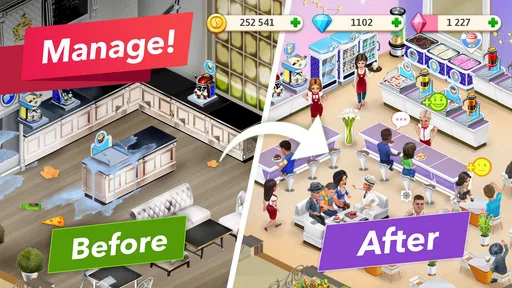
Managing your cafe isn’t just about aesthetics and customer service; there’s a strategic element to it too. Balancing your resources, managing your staff, and keeping your customers happy require some serious multitasking skills. It's a bit like juggling, but with espresso shots and sugar packets.
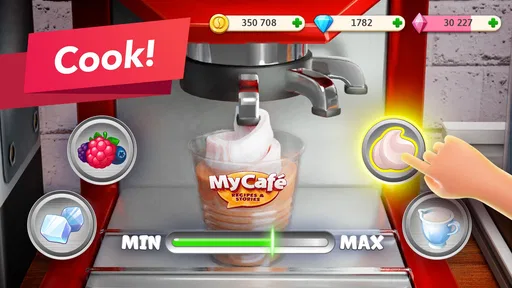
One of the game’s key features is its in-game currency system. You earn coins and diamonds by completing tasks and serving your patrons. These are crucial for purchasing new equipment, expanding your menu, and upgrading your cafe. The balance between earning and spending is finely tuned, ensuring you’re always motivated to keep your cafe thriving.
Following the loop without losing your pace
The satisfying part is the chain from action to feedback: I make a choice about the café, see how that choice supports its growth, and get a reason to set another goal. A new recipe or furnishing gives progress a visible result, while customer interactions add personality to what could otherwise be a row of routine service tasks. The next session then has a natural starting point: there is another improvement to consider, another bit of progress to make, or another story to follow.
That loop is best when I decide what matters to me. If I’m in a decorating mood, I can focus on shaping the room; if I want a more managerial visit, I can think about resources and upgrades. Trying to optimize every part at once makes the experience feel busier than it needs to be. Choosing one priority is a useful way to make the game’s many systems feel like options rather than demands.
There is also a trade-off in the reward rhythm. Unlocks and currency make advancement tangible, but they can turn the next step into a wait or a spending decision if I want to move faster than the ordinary pace allows. Since in-app purchases are available, I’d set a personal limit before playing if I’m prone to buying small boosts in the moment. The game is free to start, but its optional purchases range from $0.99 to $399.99 per item, so those choices deserve a deliberate look rather than an automatic tap.
A helpful everyday routine is to separate “what would be nice” from “what do I need for the goal I picked?” If I’m working toward a particular improvement, spending resources on unrelated decoration may slow that plan. On the other hand, if the pleasure is making the café look like mine, then aesthetic choices are not wasted progress; they are the point. The game gives room for both approaches, but I find it more satisfying when I choose between them instead of trying to maximize everything at once.
The reset between visits is part of the appeal. I can leave after a small win and return with a fresh target, rather than needing to remember a complicated sequence of actions. That makes the game easier to fit around ordinary life than a session-based title that expects full concentration from start to finish. Still, anyone who finds recurring objectives tiring should know that a gradual café game relies on repetition by design; the stories and upgrades add variety, but they don’t turn it into a wholly different genre.
Who will enjoy the pace, and who may not
For a player who enjoys decorating, light planning, and character-led tasks, the combination is more distinctive than a basic time-management game. A typical alternative in the casual category might focus almost entirely on quick matching or serving as fast as possible. Here, the café’s ongoing development and social side give me more reasons to return, but they also ask for patience. If I want immediate, skill-based action with a clear finish, a short puzzle game is probably a better fit.
The social features are best treated as an optional layer, not a requirement for enjoying the core café. If friendly competition motivates you, connecting with friends or taking part in township activity can give goals a shared context. If you prefer to play privately, the appeal of customer stories, recipes, and room design remains. I would avoid joining social play just because it seems like the “right” way to progress; it is more enjoyable when the competitive element genuinely suits your habits.
Another useful trade-off is how much attention you want to give the story. Customer preferences and personal narratives make service feel warmer, but players who skip dialogue in management games may care more about the progression and customization. I’d give the conversations a chance early on, then decide whether they add enough to my routine. The game’s strongest moments come from the blend, but not every player will value each part equally.
Cost, compatibility, and a sensible first try
Melsoft Games Ltd developed this casual restaurant game, which is rated for Everyone and has a 4.5 average from around 4.5 million ratings. It has passed 100 million installs, so it has clearly found a broad audience, though popularity alone won’t tell you whether its pace fits your taste. It was released on May 25, 2016, and the current version is 2026.2.1.1; Android support starts at version 6.0. Those details make it easier to check whether it fits your device and expectations before you settle in.
If you’re unsure, I’d start by playing without spending and see whether the basic rhythm is satisfying: do the customer stories keep your interest, do the upgrade choices feel rewarding, and do you enjoy returning to the same café? If the answer is yes, the optional purchases may simply remain in the background. If progress feels frustrating unless you pay, that is a good sign to step away rather than treating purchases as the solution to a mismatch.
For a realistic first day, I’d play through the introduction, take time to understand what the game asks me to do, and avoid making every available purchase or design choice immediately. I’d pick one near-term aim, such as improving the café or exploring the recipe progression, and see how naturally the game guides me toward it. That gives a clearer sense of whether I like the central loop than rushing through every prompt.
Sweet and Savory: The Drawbacks
Now, no game is without its hiccups. While My Cafe — Restaurant Game is engaging, it does have a few downsides. The most notable is the in-app purchase model. While you can certainly enjoy the game without spending money, some features are locked behind paywalls, which could be a turn-off for some players.
Additionally, as your cafe grows, the game might start to feel a bit repetitive. The quests and tasks, while initially exciting, can become predictable after a while. However, regular updates from the developers keep things fresh with new content and challenges.
Wrapping It Up
In conclusion, My Cafe — Restaurant Game offers a delightful escape into the world of restaurant management. Its mix of strategic gameplay, engaging storytelling, and customization options make it a must-try for fans of simulation games.
Whether you're a seasoned gamer or a newbie, this app has something to offer. So, why not give it a try? You might just discover your hidden talent for running a cafe, all without leaving the couch. Happy brewing!
Pros
- Engaging storyline with diverse characters.
- Frequent updates keep the game fresh.
- Customizable café designs enhance creativity.
- Interactive community events and challenges.
- Addictive gameplay with strategic elements.
Cons
- Requires internet connection to play.
- In-app purchases can be pricey.
- Progression can be slow without spending.
- Occasional ads may interrupt gameplay.
- Limited offline features and content.
FAQs for My Cafe — Restaurant Game
What is My Cafe — Restaurant Game about?
My Cafe — Restaurant Game is a simulation game where you manage a cafe or restaurant, interacting with customers, and expanding your business. Players can decorate their cafe, choose their menu, and engage in story-driven conversations with customers. The game combines elements of time management and storytelling, providing an immersive experience for those who love culinary challenges.
Is My Cafe — Restaurant Game free to play?
Yes, My Cafe — Restaurant Game is free to download and play on both Android and iOS platforms. However, the game includes in-app purchases that allow players to buy in-game currency and items. These purchases can enhance the gameplay experience by speeding up progress or unlocking exclusive content, but they are not necessary to enjoy the game fully.
Can I play My Cafe — Restaurant Game offline?
My Cafe — Restaurant Game requires an internet connection to play. This connectivity is essential for syncing your progress, accessing new content updates, and participating in events. Although you can enjoy some aspects of the game offline, an active internet connection ensures you get the most out of your gaming experience.
How does customization work in My Cafe — Restaurant Game?
Customization is a key feature in My Cafe — Restaurant Game, allowing players to personalize their cafe’s appearance. You can choose from a variety of furniture, decorations, and themes to create a unique atmosphere. Additionally, the menu can be customized with different recipes, enabling players to tailor their offerings to meet customer preferences and increase sales.
What are the social features in My Cafe — Restaurant Game?
My Cafe — Restaurant Game includes several social features that enhance the gameplay experience. Players can join towns, which are communities where they can collaborate with others, participate in festivals, and share tips and strategies. This interaction fosters a sense of community and competition, making the game more engaging and dynamic.


